
Old vs New Casino Brands: A Deep Dive into Classic and Modern Gaming Experiences
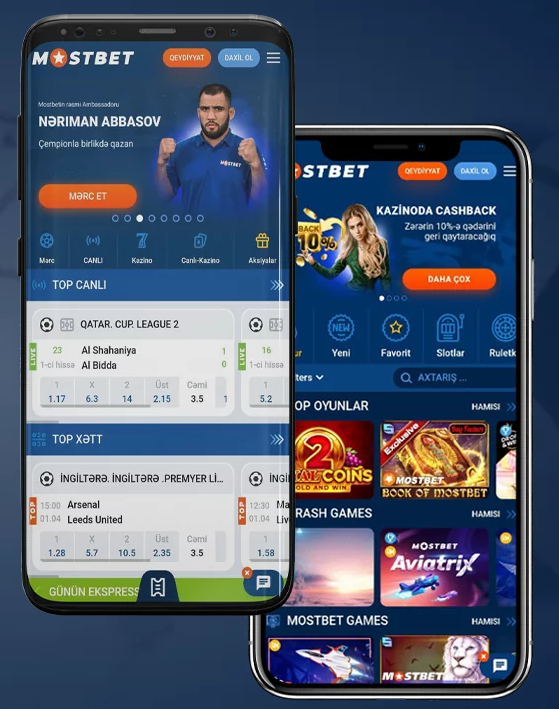
The gambling industry has transformed tremendously over the years, evolving from traditional brick-and-mortar casinos to state-of-the-art online gaming platforms. One of the most fascinating aspects of this evolution is the emergence of new casino brands that challenge the dominance of established ones. In this article, we will delve into the characteristics of old vs. new casino brands, exploring their respective advantages, customer engagement strategies, and technological innovations. For a modern gaming experience, check out Old vs New Casino Brands in Azerbaijan https://mostbett-argentina.com/aplicacion/, where you can enjoy the latest features in online gambling.
Historical Context: The Rise of Casino Brands
The history of casinos dates back centuries, with the first recognized gambling establishments appearing in Europe. Classics such as Monte Carlo Casino, established in 1863, characterized the old-school casino environment. These traditional casinos offered a luxurious experience, focusing on high-stakes games like poker, roulette, and blackjack, often frequented by the elite. The allure of these establishments was deeply intertwined with the thrill of gambling, social interaction, and entertainment.
Conversely, the onset of the internet age precipitated the creation of online casinos, which emerged in the late 1990s. These new brands quickly gained popularity for their convenience, allowing players to gamble from the comfort of their homes. Today, operators like Betway and 888 Casino represent a new wave of casinos that leverage cutting-edge technology to enhance the user experience, offering a wide range of games and bonuses that once seemed unimaginable.
Brand Recognition and Trust

Brand recognition is a significant differentiator between old and new casino brands. Established brands enjoy the advantage of legacy, where years of operation have bred a loyal customer base. Players often feel a sense of trust and reliability towards these long-standing establishments, largely due to their reputation for fairness and integrity.
On the other hand, new brands must work diligently to build trust with potential customers. They often achieve this by implementing robust security measures, such as encryption technology and auditory games. Additionally, reputable new operators actively seek licenses from recognized gaming authorities, which acts as an assurance of their credibility. Marketing strategies also play a vital role in building this trust, often accompanied by attractive welcome bonuses and promotions.
Game Variety and Innovation
Another aspect where old and new casinos diverge is the variety and innovation of games offered. Traditional casinos typically focus on classic games with well-known rules and straightforward gameplay. However, they are now integrating modern gaming trends, including electronic gaming machines and select online titles to keep their offerings relevant.
New casino brands, however, often launch with expansive game libraries that include a mix of slots, blackjack, poker, and live dealer games. They frequently collaborate with various software developers to bring fresh content to their platforms. Innovative games such as virtual reality slots and multi-player table games have emerged, enhancing the gaming experience and attracting younger audiences.
User Experience and Technology
Old casinos relied on physical structure and personal service to create an enjoyable user experience. The ambiance, service quality, and physical architecture contributed significantly to the overall experience. However, they face challenges in adapting to the tech-savvy players of today.
In contrast, new casino brands have been designed with the online user experience in mind. They prioritize responsive design, fast loading times, and seamless navigation, enabling players to enjoy gaming on various devices, including smartphones and tablets. Additionally, many new casinos offer live dealer options, allowing players to experience the thrill of a casino from their homes while interacting with real dealers in real-time.

Regulation and Fairness
Regulation in the gaming industry varies internationally, impacting both old and new casino brands. Traditional casinos often comply with strict regulations enforced by local and national authorities, which govern their operation. These regulations aim to ensure fairness, consumer protection, and responsible gaming practices.
Modern online casino brands are equally bound by regulations, with many operating in jurisdictions known for stringent rules. These include the UK Gambling Commission and the Malta Gaming Authority. Transparency in game outcomes, fair play, and responsible gambling are equally critical to the operations of these new casinos, as regulatory oversight retains the player’s confidence.
Marketing Strategies
Marketing plays a crucial role in attracting new players to casino brands. Established casinos typically rely on their long-standing reputation and may not feel the need to aggressively promote themselves. They often engage in local advertising and sponsorships to target specific demographics.
In contrast, new casino operators invest heavily in digital marketing strategies, leveraging social media, influencer partnerships, and targeted online advertising. They also frequently offer incentives such as no-wagering bonuses, free spins, and loyalty programs to entice new players and encourage return visits. As a result, new brands can adapt quickly to changes in player preferences and industry trends, helping to maintain their competitive edge.
The Future of Casino Brands
The future of casino brands will likely see further convergence of old and new gaming experiences. Traditional establishments may increasingly incorporate online features, while newer brands may strive to replicate the high-stakes, in-person excitement that longstanding casinos have provided. Furthermore, developments in technology, such as blockchain and artificial intelligence, may redefine how casinos operate, from security and fairness to player engagement.
Ultimately, whether a player prefers the classic allure of established casinos or the modern conveniences of new brands depends on individual preferences. As the industry evolves, both old and new casino brands will continue to play vital roles in shaping the gaming landscape that players enjoy today.
Conclusion
In conclusion, the battle between old and new casino brands reflects a dynamic interplay between tradition and innovation in the gambling industry. While established brands offer history and trust, new brands attract players with their engaging experiences and technological advancements. It is a fascinating time to be in the gaming world, and players can thrive by exploring both new and traditional options to find their perfect gaming experience.
COMMENTAIRES